For families, ranches and overlanders
Plan your GMRS radios from the rules up
Licensing, channels, power limits, antenna height and repeaters, taken straight from the FCC’s Part 95 rules and manufacturer spec sheets, with every rule cited by section.

License first: transmitting on GMRS requires an FCC license (47 CFR 95.1705). It’s $35 for 10 years, with no exam, and covers your immediate family. Check what you need.
Free planning tools
Each one shows its rules and math, and prints to a one-page summary.
Start here
New to GMRS, comparing radios, or setting up a repeater: pick your starting point.
 Licensing & RulesHow to Get a GMRS License in 2026Step-by-step GMRS licensing from the FCC's own pages: eligibility under 47 CFR 95.1705, getting an FRN, applying in ULS, the $35 fee,…
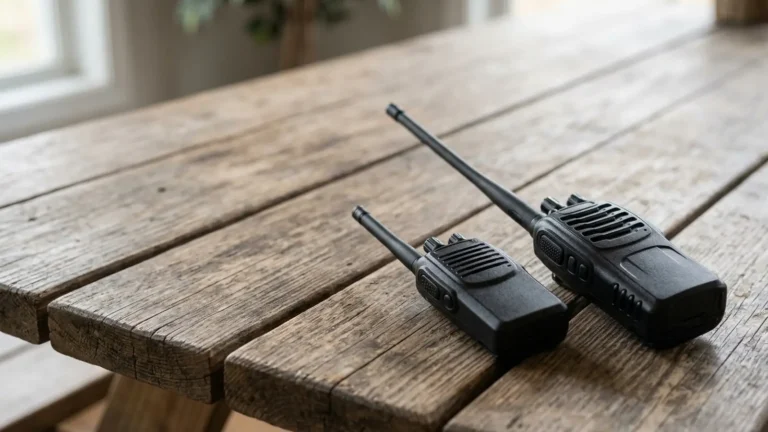 Licensing & RulesGMRS vs FRSGMRS vs FRS compared from the FCC rules: shared channels, power limits (2 W ERP vs up to 50 W), antennas, repeaters,…
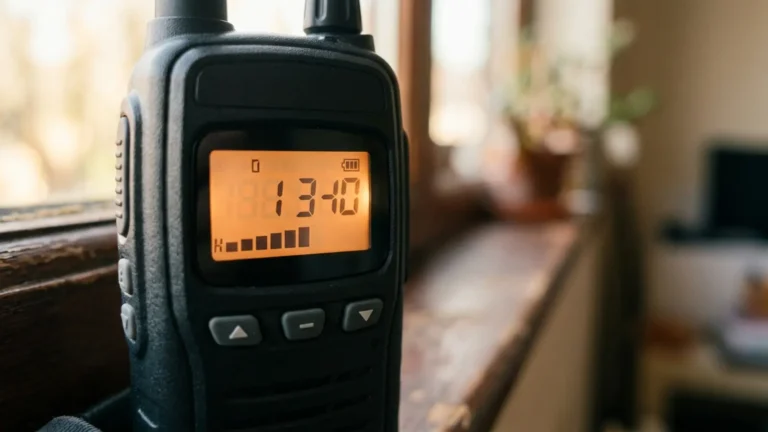 Licensing & RulesGMRS Channels and Power LimitsAll 30 GMRS channels from 47 CFR 95.1763 with frequencies, which station types may transmit, power limits from 95.1767, bandwidths and repeater…
 Antennas & RangeGMRS Range ExplainedRealistic GMRS range from the FCC (1 to 25 miles) and the radio-horizon formula: antenna height, terrain, power, repeaters, with worked examples…
 RepeatersGMRS Repeaters ExplainedHow GMRS repeaters work under 47 CFR 95.1763 and 95.1767: 467 MHz input, 462 MHz output, +5 MHz pairs, 50 W, CTCSS/DCS…
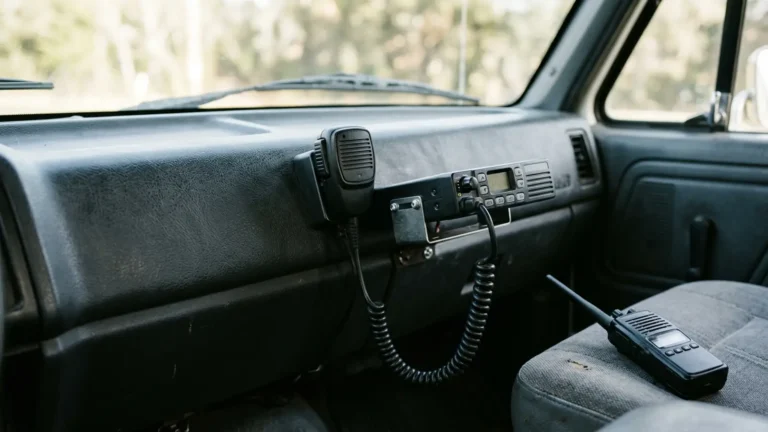 RadiosGMRS Handheld vs Mobile RadioHandheld, mobile and base GMRS radios compared using FCC power limits and Midland spec sheets (GXT67 Pro 5 W, MXT275 15 W,…
The short version
- Get licensedOne $35 license, a 10-year term, family included. How to apply
- Know your channels50 W only on main channels; 5 W ERP on 1–7; 0.5 W on 8–14. Channel chart
- Raise the antennaHeight beats watts on UHF. Antenna guide
Licensing & Rules
All licensing & rulesFCC Part 95E: who needs a license, channels, power and call signs.
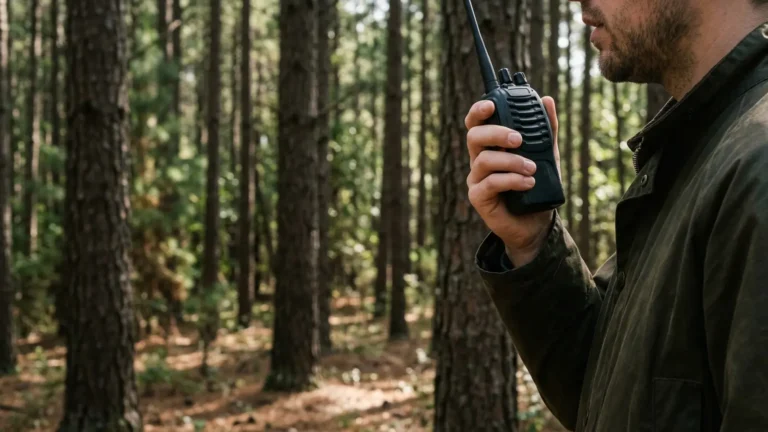
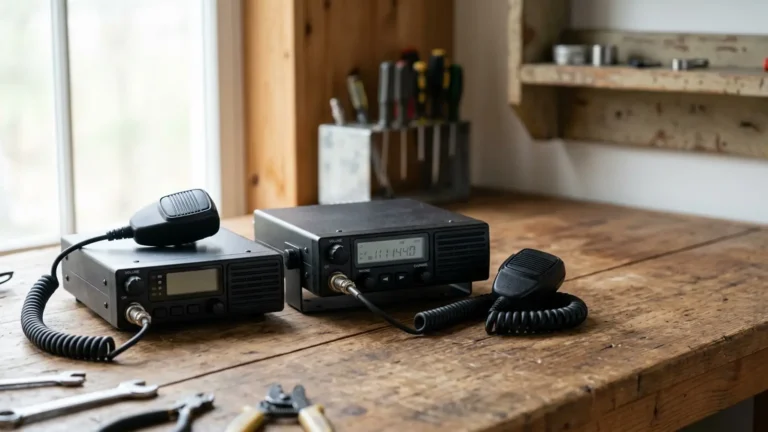
Radios
All radiosHandhelds, mobiles and base stations compared from spec sheets.
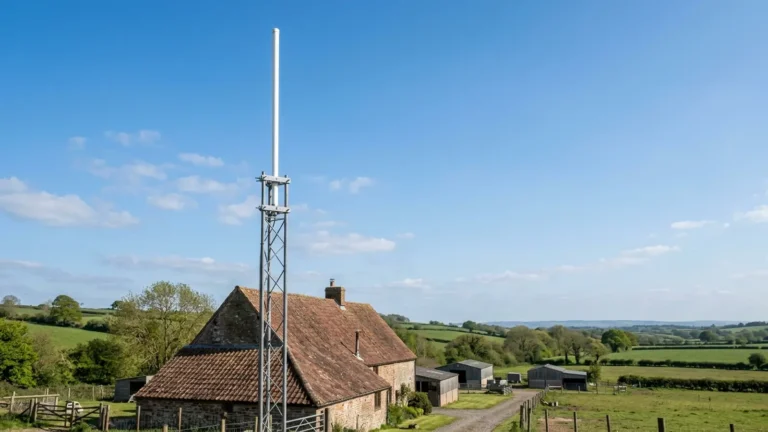
Antennas & Range
All antennas & rangeAntenna height, gain, coax and realistic range.
Repeaters
All repeatersHow GMRS repeaters work and how to use one properly.

Cited to the rule
Every rule is linked to its section of 47 CFR Part 95. Radio specs link to the maker’s spec sheet.
Research, not test claims
We compile rules and published specs. We don’t run radio tests, and we never claim we did.
Independent
Where we may earn a commission, we say so. Commissions never decide a recommendation.